

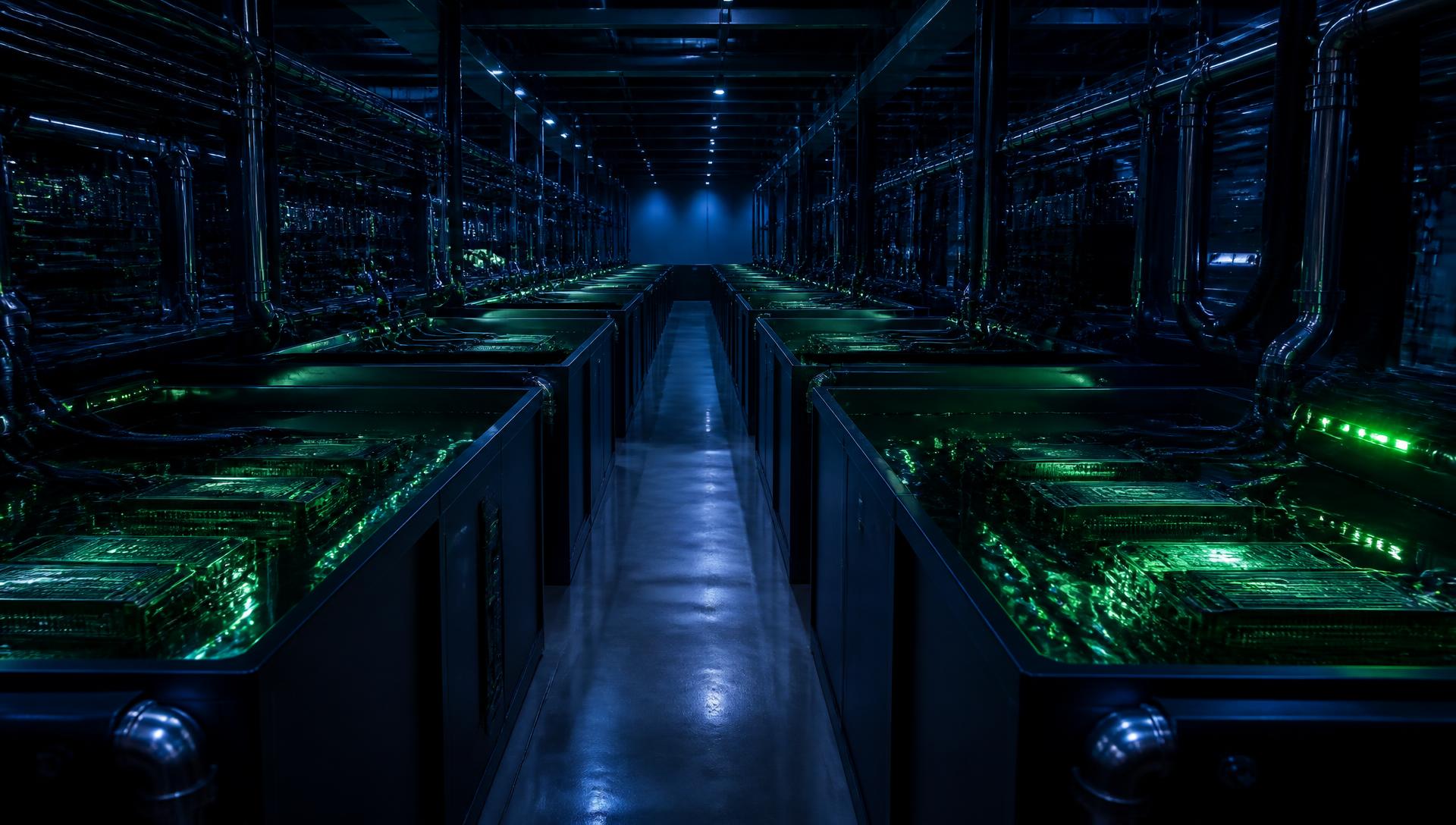
High-Density Colocation
Our high-density colocation sustains 30kW, 60kW, 100kW and above per rack, continuously. Engineered around the real power profile of your hardware, not the average draw of the hall.
- 0kW
- Threshold for high-density
- 0kW
- Sustained density supported
- 0–0%
- Density growth every 18 months
- Power-based
- Billing model
Why Most High-Density Colocation Falls Short
Most colocation halls were specified during a generation of hardware that drew 4kW to 10kW per rack. When a provider advertises 30kW or 50kW capability, that figure typically describes peak burst performance for a small number of racks rather than sustained operation across an entire deployment. The distinction matters. A deployment of forty 60kW racks running at full utilisation requires a fundamentally different cooling and power architecture from a single high-density cabinet sitting alongside conventional infrastructure.
The thermal envelope of an air-cooled hall sets a hard limit on how much sustained density can be absorbed across the room. Once that limit is reached, additional high-density racks force the rest of the hall to derate. This is rarely disclosed in colocation contracts but is the leading reason buyers find their delivered performance falls short of the kW figure printed in their service agreement.
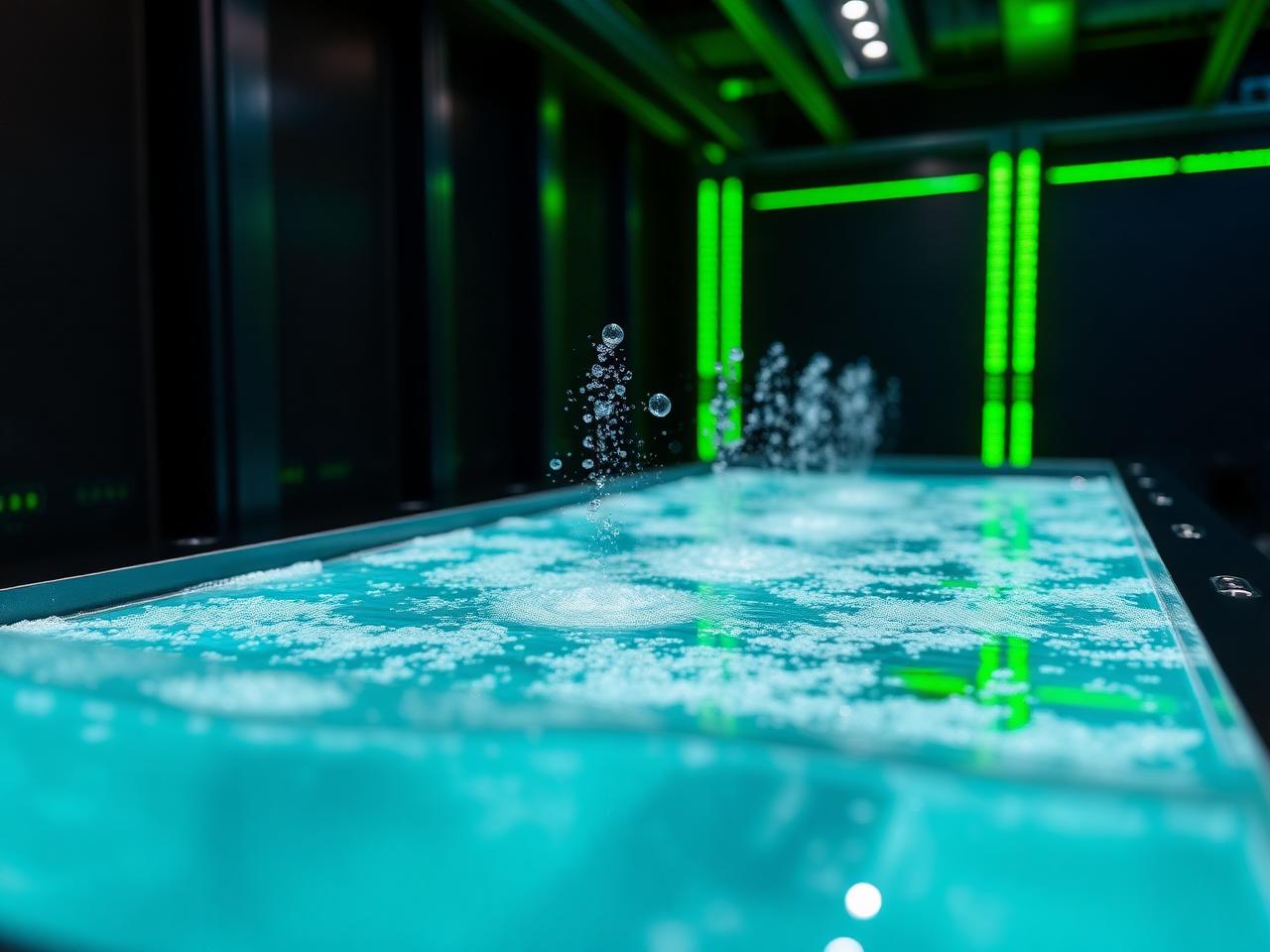
How Our high-density colocation Delivers Results
Engineered around sustained rack density, not advertised peak figures
Density Engineered Floor to Ceiling
Cooling, power distribution, and floor loading specified at the kW figure your hardware actually draws. No averaging across the hall.
Sustained, Not Peak, Density Guarantees
Contracted density is the figure your rack runs at continuously. Burst headroom is additional, not the headline number.
Power-Based Commercial Terms
Billing reflects the kilowatts your deployment consumes, not the rack space they occupy. Consolidation is rewarded; sprawl is not.
Multi-Cooling Architecture Under One Roof
Air, direct-to-chip, and immersion cooling deployed in the same facility under a single service agreement. Match cooling to density without splitting infrastructure across sites.
Density Migration Support
Phased deployment from existing low-density environments into high-density configurations, with UK engineering support across every stage of the transition.
UK Grid-Positioned Sites
Facilities located where contracted power capacity is genuinely available now, not where it has to be requested years in advance from the regional grid operator.
Related environments
Frequently asked questions
What density does Our classify as high-density?
We classify any sustained rack draw above 20kW as high-density, with our infrastructure rated for sustained densities up to 120kW and immersion configurations beyond that range. The 20kW threshold matters because cooling and power architecture changes meaningfully above that point, and the contracting model should reflect that.
What is the difference between rated and sustained density?
Rated density is the peak figure a rack can support during short bursts. Sustained density is the figure the rack can operate at continuously without thermal throttling or power derating. Many UK providers quote rated figures in marketing material but contract on sustained figures that are significantly lower. Our contracts on the sustained figure your hardware needs to deliver its actual performance.
How is high-density colocation priced?
We price high-density colocation on a power-based model rather than a per-rack model. You pay for the kilowatts your deployment is contracted to draw, regardless of how that draw is distributed across the rack footprint. This reflects how high-density hardware actually consumes resources and avoids penalising consolidated deployments.
Can I upgrade density mid-contract?
Yes. High-density deployments often need to scale density faster than they scale physical footprint. Our contracts allow density upgrades within the original rack footprint, subject to available cooling and power capacity at the chosen site. We assess upgrade requests against your deployment’s existing thermal envelope.
What density should we provision for in 2026?
Hardware refresh cycles in AI, GPU, and high-performance compute are driving rack densities up by roughly 30 to 50 percent every 18 months. Most deployments commissioned this year should provision for one tier above current draw to avoid early infrastructure obsolescence. Our engineering team includes this forward-density assessment in every high-density quote.
Ready to upgrade your infrastructure?
Stop overpaying for legacy efficiency. Get a quote for colocation, immersion or a custom build in under 24 hours.



%20--%3e%3csvg%20version='1.1'%20id='Layer_1'%20xmlns='http://www.w3.org/2000/svg'%20xmlns:xlink='http://www.w3.org/1999/xlink'%20x='0px'%20y='0px'%20viewBox='0%200%20388.2%20150.6'%20style='enable-background:new%200%200%20388.2%20150.6;'%20xml:space='preserve'%3e%3cstyle%20type='text/css'%3e%20.st0{fill:%2304C7FD;}%20.st1{fill:%230068B5;}%20%3c/style%3e%3crect%20y='2.1'%20class='st0'%20width='28.1'%20height='28.1'/%3e%3cpath%20class='st1'%20d='M27.4,148.5V47.3H0.8v101.2H27.4z%20M204.2,149.5v-24.8c-3.9,0-7.2-0.2-9.6-0.6c-2.8-0.4-4.9-1.4-6.3-2.8%20c-1.4-1.4-2.3-3.4-2.8-6c-0.4-2.5-0.6-5.8-0.6-9.8V70.1h19.3V47.3h-19.3V7.8h-26.7v97.9c0,8.3,0.7,15.3,2.1,20.9%20c1.4,5.5,3.8,10,7.1,13.4s7.7,5.8,13,7.3c5.4,1.5,12.2,2.2,20.3,2.2L204.2,149.5L204.2,149.5z%20M357,148.5V0h-26.7v148.5H357z%20M132.5,57.2c-7.4-8-17.8-12-31-12c-6.4,0-12.2,1.3-17.5,3.9c-5.2,2.6-9.7,6.2-13.2,10.8l-1.5,1.9v-1.7V47.3H43v101.2h26.5V94.6v3.7%20c0-0.6,0-1.2,0-1.8c0.3-9.5,2.6-16.5,7-21c4.7-4.8,10.4-7.2,16.9-7.2c7.7,0,13.6,2.4,17.5,7c3.8,4.6,5.8,11.1,5.8,19.4l0,0v0.2l0,0%20l0,0v53.5h26.9V91C143.7,76.6,139.9,65.2,132.5,57.2z%20M316.5,97.7c0-7.3-1.3-14.1-3.8-20.5c-2.6-6.3-6.2-11.9-10.7-16.7%20c-4.6-4.8-10.1-8.5-16.5-11.2s-13.5-4-21.2-4c-7.3,0-14.2,1.4-20.6,4.1c-6.4,2.8-12,6.5-16.7,11.2s-8.5,10.3-11.2,16.7%20c-2.8,6.4-4.1,13.3-4.1,20.6c0,7.3,1.3,14.2,3.9,20.6c2.6,6.4,6.3,12,10.9,16.7c4.6,4.7,10.3,8.5,16.9,11.2%20c6.6,2.8,13.9,4.2,21.7,4.2c22.6,0,36.6-10.3,45-19.9l-19.2-14.6c-4,4.8-13.6,11.3-25.6,11.3c-7.5,0-13.7-1.7-18.4-5.2%20c-4.7-3.4-7.9-8.2-9.6-14.1l-0.3-0.9h79.5L316.5,97.7L316.5,97.7z%20M237.2,88.4c0-7.4,8.5-20.3,26.8-20.4c18.3,0,26.9,12.9,26.9,20.3%20L237.2,88.4z'/%3e%3cpath%20class='st1'%20d='M387.4,135.3c-0.5-1.2-1.2-2.2-2.1-3.1c-0.9-0.9-1.9-1.6-3.1-2.1s-2.5-0.8-3.8-0.8c-1.4,0-2.6,0.3-3.8,0.8%20c-1.2,0.5-2.2,1.2-3.1,2.1c-0.9,0.9-1.6,1.9-2.1,3.1c-0.5,1.2-0.8,2.5-0.8,3.8c0,1.4,0.3,2.6,0.8,3.8s1.2,2.2,2.1,3.1%20c0.9,0.9,1.9,1.6,3.1,2.1s2.5,0.8,3.8,0.8c1.4,0,2.6-0.3,3.8-0.8c1.2-0.5,2.2-1.2,3.1-2.1c0.9-0.9,1.6-1.9,2.1-3.1%20c0.5-1.2,0.8-2.5,0.8-3.8S387.9,136.5,387.4,135.3z%20M385.8,142.3c-0.4,1-1,1.9-1.7,2.6c-0.7,0.7-1.6,1.3-2.6,1.7s-2,0.6-3.2,0.6%20c-1.1,0-2.2-0.2-3.2-0.6c-1-0.4-1.9-1-2.6-1.7s-1.3-1.6-1.7-2.6c-0.4-1-0.6-2-0.6-3.2c0-1.1,0.2-2.2,0.6-3.2s1-1.9,1.7-2.6%20c0.7-0.7,1.6-1.3,2.6-1.7s2-0.6,3.2-0.6c1.1,0,2.2,0.2,3.2,0.6c1,0.4,1.9,1,2.6,1.7s1.3,1.6,1.7,2.6c0.4,1,0.6,2,0.6,3.2%20C386.5,140.3,386.2,141.3,385.8,142.3z%20M380.2,139.9c0.8-0.1,1.4-0.4,1.9-0.9s0.8-1.2,0.8-2.2c0-1.1-0.3-1.9-1-2.5%20c-0.6-0.6-1.7-0.9-3-0.9h-4.4v11.3h2.1v-4.6h1.5l2.8,4.6h2.2L380.2,139.9z%20M379.1,138.3c-0.3,0-0.6,0-1,0h-1.5v-3.2h1.5%20c0.3,0,0.6,0,1,0c0.3,0,0.6,0.1,0.9,0.2c0.3,0.1,0.5,0.3,0.6,0.5s0.2,0.5,0.2,0.9s-0.1,0.7-0.2,0.9c-0.2,0.2-0.4,0.4-0.6,0.5%20C379.7,138.2,379.4,138.3,379.1,138.3z'/%3e%3c/svg%3e)